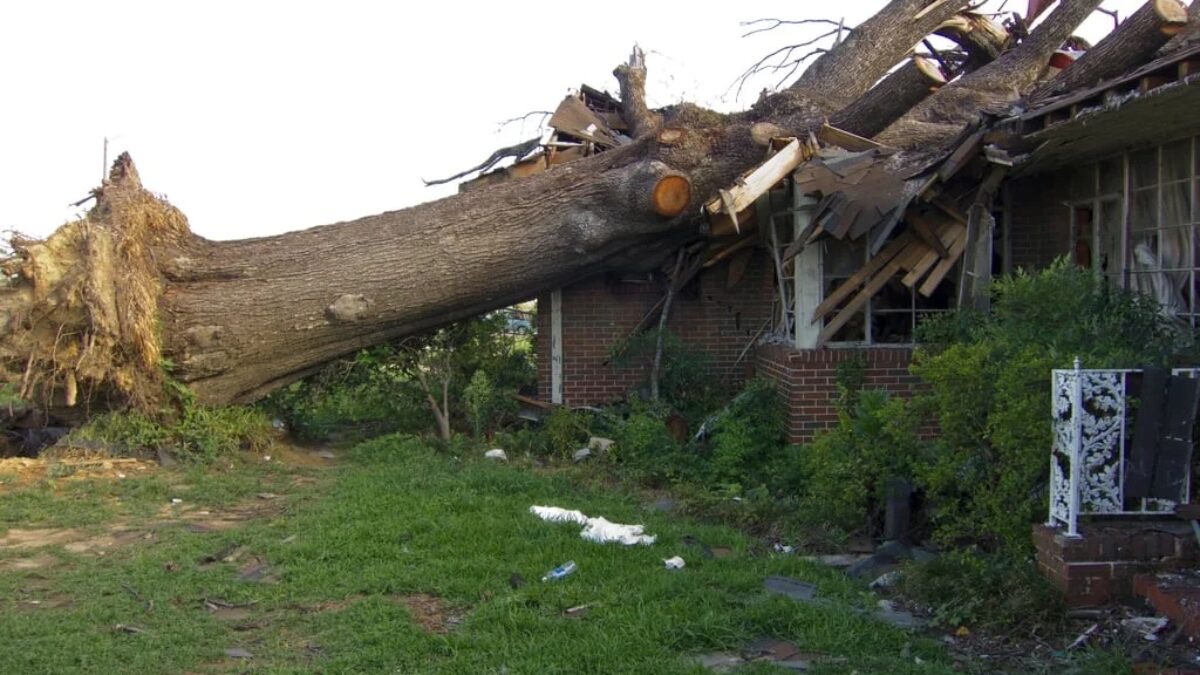
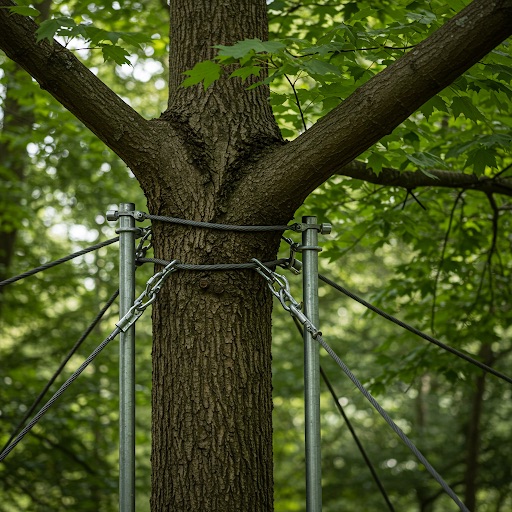
Trees are naturally resilient, but even the strongest trees can develop weak branches, structural defects, or storm-related damage over time. Some trees grow with heavy limbs, multiple trunks, or weak branch unions, making them prone to splitting or breaking during storms or high winds. Without proper support, these weakened areas can become hazardous—posing risks to people, property, and the tree’s long-term health.
That’s where tree cabling and bracing come in. These support systems provide reinforcement to weak branches, reducing the likelihood of failure and extending the life of valuable trees. Whether you’re dealing with a mature tree struggling under its own weight or a storm-damaged tree at risk of falling apart, cabling and bracing can be the key to preserving structural integrity and ensuring safety.
This guide explores the importance, benefits, and best practices for tree cabling and bracing—helping homeowners make informed decisions about protecting their landscape investments.
1. Understanding Tree Cabling and Bracing
Tree cabling and bracing are proactive tree support techniques used to stabilize weak branches and prevent structural failure. Each method serves a distinct purpose in reinforcing tree health and safety.
A. What Is Tree Cabling?
🌳 Cabling involves installing high-strength steel cables between major branches or tree trunks. These cables redistribute stress and reduce excessive movement during high winds or heavy storms.
B. What Is Tree Bracing?
🌳 Bracing uses threaded steel rods inserted directly into weak branch unions or split trunks to provide rigid support and prevent splitting. Bracing is often used in combination with cabling for maximum reinforcement.
C. When Are These Techniques Necessary?
✅ Trees with multiple trunks or weak branch unions
✅ Large limbs at risk of breaking under their own weight
✅ Storm-damaged trees with partially split branches
✅ Historic or mature trees requiring preservation
✅ Trees in high-risk areas (near homes, sidewalks, or power lines)
Cabling and bracing do not “fix” a tree permanently, but they significantly reduce the risk of failure and extend the tree’s lifespan.
2. Key Benefits of Tree Cabling and Bracing
Investing in tree support systems provides numerous advantages, from preventing costly damage to enhancing tree health.
A. Preventing Property Damage and Personal Injury
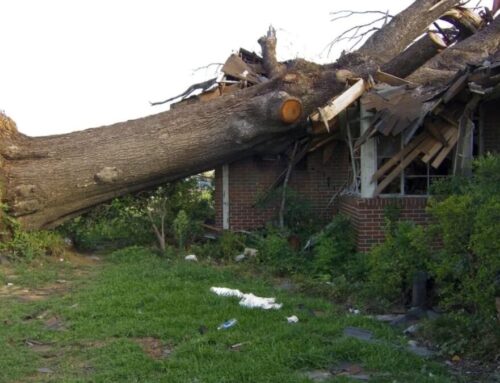
Weak or overextended branches can break unexpectedly, leading to:
🚧 Damage to homes, vehicles, fences, and nearby structures
🚧 Injury to people and pets walking beneath the tree
🚧 Fallen limbs blocking driveways, roads, or power lines
Cabling and bracing help mitigate these risks, ensuring a safer environment for homeowners and passersby.
B. Extending the Life of a Tree
Some trees develop structural weaknesses as they age. Instead of cutting down a healthy but vulnerable tree, cabling and bracing allow it to continue thriving for decades.
C. Protecting Trees from Storm Damage
Henderson experiences seasonal storms and strong desert winds, which can cause tree limbs to twist, bend, or snap. Reinforcing heavy branches and weak points helps trees withstand extreme weather without sustaining major damage.
D. Maintaining Aesthetic Value
Removing large, weak branches can alter a tree’s natural shape. By reinforcing rather than removing them, cabling and bracing help preserve the tree’s beauty and canopy structure.
E. Preventing the Need for Premature Tree Removal
Tree removal can be costly and time-consuming. Cabling and bracing provide an alternative solution to preserve trees while reducing liability concerns.
3. The Cabling and Bracing Installation Process
Cabling and bracing should always be performed by a professional arborist to ensure correct placement and long-term effectiveness.
A. Professional Tree Inspection
A certified arborist will:
🔍 Assess weak branch unions and structural defects
🔍 Determine if cabling, bracing, or a combination of both is needed
🔍 Identify trees at risk of storm damage
B. Installing Tree Cables
- Strategic Anchor Points – Cables are attached high in the tree canopy to support heavy limbs.
- Flexible Movement – Properly installed cables reduce swaying without restricting natural movement.
- High-Strength Steel Cables – Designed to last for decades while blending into the tree’s structure.
C. Installing Tree Bracing Rods
- Rod Placement – Inserted through weak branch unions or split trunks.
- Prevention of Further Damage – Holds branches firmly together to stop cracks from worsening.
- Minimal Invasiveness – Small holes are drilled to accommodate the rods, but proper technique minimizes harm to the tree.
D. Regular Maintenance and Monitoring
Cables and braces should be checked every 1-2 years to ensure they remain effective. An arborist may recommend adjustments or replacements as the tree grows.
4. When Should You Consider Tree Cabling and Bracing?
Not all trees require structural support. However, if you notice these warning signs, it may be time to schedule a professional tree inspection:
⚠ Branches that seem excessively heavy or overextended
⚠ Visible cracks or splits in major limbs or the trunk
⚠ Multiple trunks forming a weak “V” shape
⚠ Storm-damaged trees with partially broken limbs
⚠ Leaning branches that appear unstable
Ignoring early signs of weakness can lead to unexpected branch failure, putting people and property at risk.
5. Tree Cabling vs. Tree Removal: Which Is Better?
Some homeowners wonder whether they should reinforce or remove a weak tree. The decision depends on several factors:
A. When to Choose Cabling and Bracing
✔ The tree is otherwise healthy, apart from structural weaknesses.
✔ The tree is historically or environmentally valuable.
✔ The tree poses a potential risk but can be stabilized.
✔ You want to preserve shade and aesthetic appeal.
B. When Tree Removal Is the Best Option
❌ The tree has severe internal decay or disease.
❌ The tree is leaning dangerously and cannot be stabilized.
❌ The tree is in a high-risk location where even reinforcement won’t prevent damage.
A professional arborist can assess whether reinforcement or full removal is the safer long-term solution.
6. Why Work with a Professional for Tree Support Systems?
Cabling and bracing require specialized knowledge and precise placement. DIY attempts can weaken trees further, cause unnecessary damage, or fail to provide adequate support.
A. Benefits of Hiring a Certified Arborist
🌳 Expert Risk Assessment – Determines whether a tree can be saved.
🌳 Proper Installation Techniques – Ensures cables and braces provide maximum stability.
🌳 Long-Term Tree Care Plans – Includes monitoring, adjustments, and maintenance.
🌳 Peace of Mind – Professionally reinforced trees pose less risk to property and people.
Tree cabling and bracing offer a proactive way to strengthen weak branches, prevent storm damage, and extend a tree’s lifespan. By reinforcing structural weak points, homeowners can avoid costly damage, preserve valuable trees, and enhance landscape safety.
If you have trees with overextended limbs, multiple trunks, or visible cracks, don’t wait for a disaster to strike. Schedule a professional tree inspection today to determine if cabling and bracing are the right solutions for your property. Invest in tree support systems now and protect your landscape for years to come.