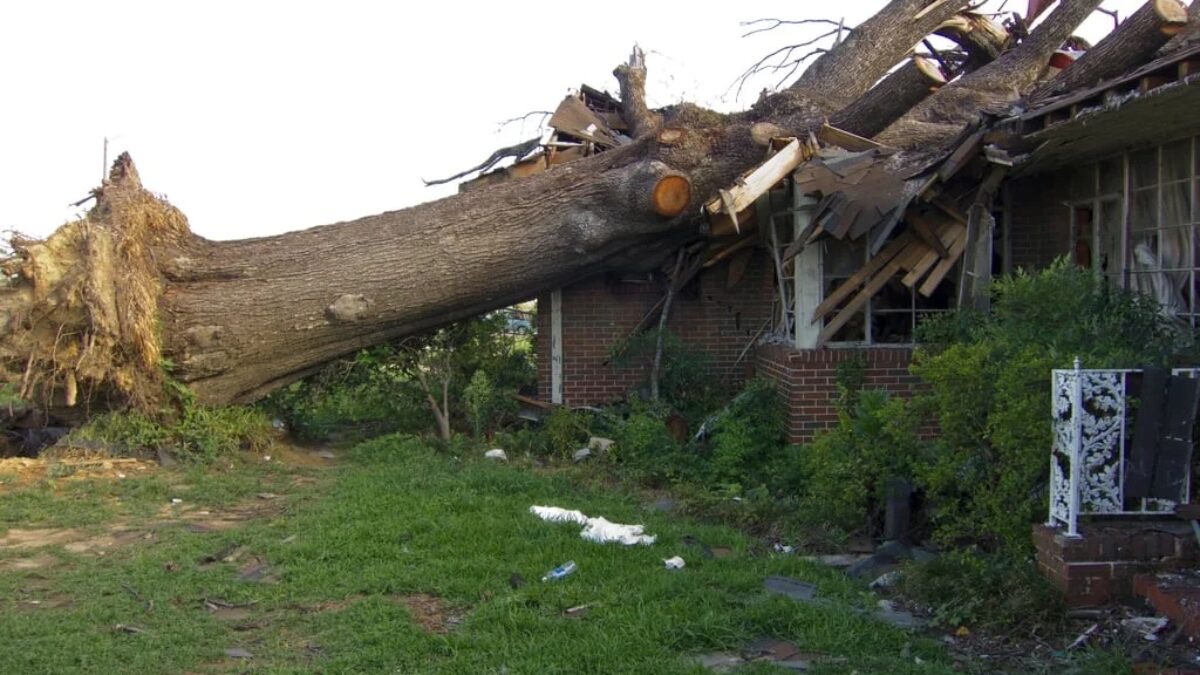

Trees play a vital role in any landscape, providing shade, curb appeal, and environmental benefits. However, in Henderson’s desert climate, trees are subjected to intense heat, sporadic rainfall, and occasional cold spells, making seasonal tree maintenance essential. Without proper care, trees may suffer from drought stress, pest infestations, or structural instability, leading to weakened growth and potential hazards.
Each season presents unique challenges and maintenance requirements. A structured approach to pruning, fertilizing, watering, and pest management ensures trees remain healthy and resilient year-round. Following a tree trimming schedule and implementing professional landscaping tips can help Henderson homeowners preserve their trees and protect their property investment.
Spring: Preparing Trees for a Season of Growth
Spring in Henderson marks the transition from winter dormancy to active growth. Rising temperatures and increased daylight trigger leaf development, flowering, and root expansion. This is the ideal time to prune, fertilize, and inspect trees for potential issues that may have developed during winter.
Key Spring Tree Maintenance Tasks:
✅ Conduct a Tree Health Inspection
Winter can leave trees weakened or damaged. Look for cracked branches, peeling bark, or signs of disease, such as fungal growth or discolored foliage. Early detection of issues can prevent further decline and costly removals later in the year.
✅ Prune for Shape and Health
Spring pruning encourages new growth and prevents disease spread. Remove:
- Dead or damaged branches that may have broken due to winter conditions.
- Crossing or rubbing branches to improve airflow and reduce structural stress.
- Overgrown limbs to shape the tree and allow for better light penetration.
✅ Apply Nutrient-Rich Fertilizer
As trees exit dormancy, they need essential nutrients for healthy root and foliage growth. A slow-release nitrogen fertilizer supports:
- Vibrant leaf production
- Stronger root development
- Resistance to pests and disease
✅ Refresh Mulch Around the Base
Applying 2-4 inches of organic mulch around tree bases helps:
- Retain moisture during the upcoming hot months.
- Regulate soil temperature, preventing stress from fluctuating weather.
- Suppress weeds that compete for nutrients.
Make sure to keep mulch a few inches away from the trunk to prevent moisture buildup and decay.
✅ Pest and Disease Prevention
Spring is prime time for insects like aphids, scale, and borers to become active. Inspect trees for:
- Chewed leaves or sticky honeydew residue
- Small holes in the bark (a sign of borer infestation)
- Black spots or powdery mildew on leaves
Using horticultural oils or insecticidal treatments can help prevent infestations. If an issue persists, consult a professional arborist for targeted treatments.
Summer: Protecting Trees from Heat Stress
Summers in Henderson are hot and dry, often exceeding 100°F for extended periods. Trees face dehydration, sunburn, and pest infestations, making proactive care crucial.
Key Summer Tree Maintenance Tasks:
✅ Adjust Watering to Combat Heat Stress
The lack of rainfall in Henderson means trees depend on irrigation. Implement:
- Deep watering once or twice a week, ensuring moisture reaches 12-18 inches below the soil.
- Drip irrigation or soaker hoses to avoid water evaporation.
- Morning or evening watering to minimize heat stress.
Avoid frequent, shallow watering, which leads to weak root systems and increases vulnerability to drought.
✅ Limit Tree Pruning in Peak Heat
Pruning too aggressively during summer can expose the tree’s interior to harsh sunlight, leading to sunscald and dehydration. Only remove:
- Dead or hazardous limbs
- Branches causing obstruction or property damage
✅ Monitor for Heat-Related Pests
Certain pests, like spider mites and bark beetles, thrive in hot, dry conditions. Signs of infestation include:
- Fine webbing on leaves
- Sawdust-like residue near tree bases
- Sudden leaf drop or discoloration
Introducing beneficial predatory insects, such as ladybugs, can naturally control pest populations.
✅ Provide Sun Protection for Young Trees
Thin-barked trees, including maples and citrus trees, are prone to sunburn. Use:
- Burlap wraps or trunk guards for protection.
- Additional mulch to insulate roots from extreme heat.
Summer is also a time when storm winds can pose a risk. Inspect for loose branches and secure unstable young trees with proper staking.
Fall: Strengthening Trees for the Cooler Months
As temperatures drop, trees begin to transition from active growth to dormancy. Fall is the ideal time to fortify roots, remove weak branches, and prepare trees for winter conditions.
Key Fall Tree Maintenance Tasks:
✅ Final Pruning Before Winter
Pruning in fall improves air circulation and overall tree structure. Focus on:
- Removing weak or overgrown limbs
- Thinning dense canopies to reduce wind resistance
- Eliminating branches prone to breakage
✅ Apply Phosphorus-Rich Fertilizer
Unlike spring fertilizers, fall fertilizers should focus on root strengthening rather than foliage growth. Phosphorus supports:
- Root expansion before winter dormancy
- Enhanced nutrient storage for spring growth
✅ Rake Leaves and Remove Debris
Decaying organic matter can harbor pests and fungi, leading to disease outbreaks. Regularly clear:
- Fallen leaves, fruit, and twigs
- Diseased plant material to prevent fungal spores from spreading
✅ Inspect for Early Signs of Tree Stress
Watch for:
- Cracking or splitting bark
- Unusual leaf loss or discoloration
- Exposed or damaged roots
Addressing these issues before winter can prevent long-term damage.
Winter: Protecting Trees During Dormancy
While Henderson’s winters are relatively mild, occasional cold snaps, frost, and strong winds can still impact tree health.
Key Winter Tree Maintenance Tasks:
✅ Minimal Pruning for Structural Stability
Winter is ideal for dormant pruning, as trees experience less stress during this period. Focus on:
- Removing deadwood
- Thinning dense branches to reduce wind resistance
✅ Cold and Frost Protection
Young trees and tropical species like citrus or palm trees may require additional insulation. Use:
- Burlap or frost cloth wraps for exposed trunks
- Extra mulch around roots to retain soil warmth
✅ Monitor for Winter Storm Damage
High winds can lead to branch breakage. If splintered limbs appear, remove them immediately to prevent infection.
✅ Plan for Spring Growth
Winter is an excellent time to schedule a tree health assessment to prepare for spring fertilization and pruning strategies.
The Importance of Professional Arborist Services
Regular tree maintenance requires expertise in species-specific care, climate adaptation, and structural health assessments. Working with a certified arborist ensures:
🌳 Accurate diagnosis of diseases, pest infestations, and soil deficiencies
🌳 Safe pruning techniques that enhance longevity and stability
🌳 Efficient storm damage cleanup and risk prevention
🌳 Customized seasonal care plans for your landscape
Keep Your Trees Healthy Year-Round with Henderson Tree Service
Proper seasonal tree maintenance ensures long-term tree health, prevents unexpected hazards, and enhances your property’s beauty. A well-maintained tree is an investment that provides decades of value.
Need expert tree care? Contact Henderson Tree Service today for professional trimming, health assessments, and seasonal maintenance plans tailored to Henderson’s unique climate. Keep your trees thriving all year long!