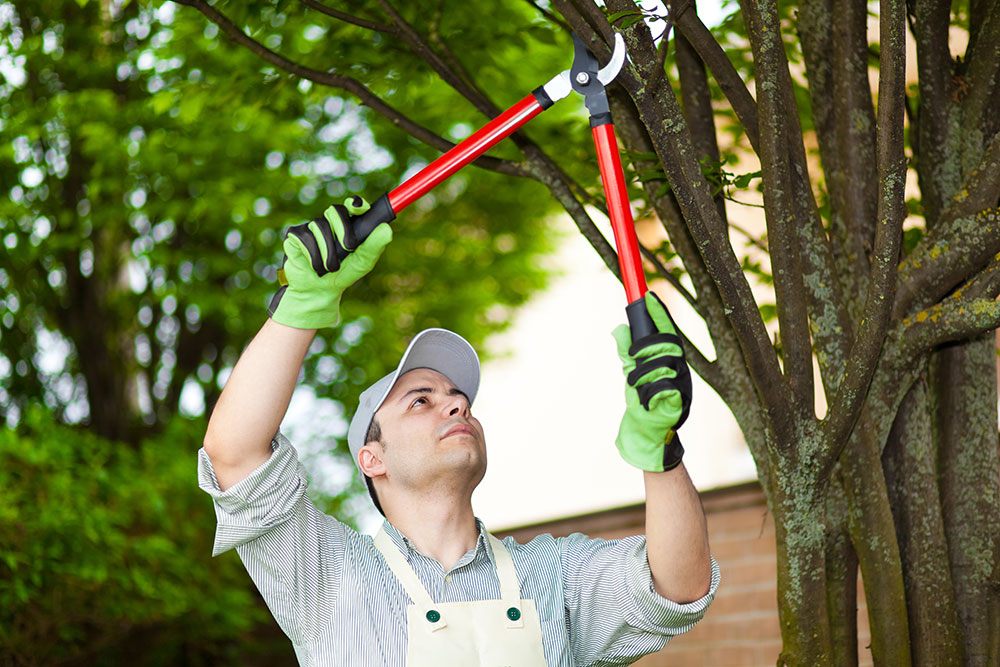
First impressions matter, especially when it comes to your home. Whether you’re welcoming guests, impressing neighbors, or preparing to sell, curb appeal sets the tone. Many homeowners focus on fresh paint, new siding, or manicured lawns, but one crucial element often gets overlooked—tree trimming.
Well-maintained trees frame your home, enhance landscaping aesthetics, and even increase property value. Conversely, overgrown or neglected trees can make a property look unkempt, obscure architectural features, and pose safety hazards.
Regular tree trimming is a simple yet effective way to elevate your home’s curb appeal while ensuring long-term tree health. This guide will explore how strategic trimming transforms your yard, boosts property value, and creates a polished, well-maintained look.
1. The Role of Tree Trimming in Curb Appeal
A. How Tree Trimming Enhances Your Home’s Appearance
Trees are among the most prominent natural features in any yard. Their shape, size, and health significantly impact how your home is perceived from the street. Proper trimming enhances visual appeal in multiple ways:
- Defines the Shape of Your Landscape – A neatly trimmed tree provides structure and cohesion to your yard.
- Prevents Overgrowth That Hides Your Home – Keeps branches from obstructing windows, pathways, and architectural features.
- Creates a Tidy, Maintained Look – Shows care and attention to detail, making your home more inviting.
- Frames the Property’s Best Features – Well-trimmed trees highlight the home’s design rather than detract from it.
- Encourages Healthy Growth – Overgrowth can lead to uneven growth patterns, while regular trimming promotes uniformity.
B. The Psychological Impact of a Well-Kept Yard
A well-maintained yard sends a powerful message. It signals that a homeowner takes pride in their property, which can increase its perceived value. Research shows that homes with strong curb appeal:
- Sell faster and at higher prices – Real estate professionals consistently rank landscaping as one of the most critical factors in property valuation.
- Create a welcoming atmosphere – Visitors and potential buyers feel more comfortable approaching a home with a clean, structured yard.
- Boost neighborhood aesthetics – One well-kept yard can influence others, leading to an overall improvement in neighborhood desirability.
If your trees are overgrown, lopsided, or unhealthy, they can make the entire property look neglected. A simple trim can dramatically improve the first impression your home makes.
2. Tree Trimming and Property Value: A Smart Investment
A. Why Proper Tree Care Increases Home Value
Curb appeal isn’t just about aesthetics—it has real financial benefits. Studies show that homes with well-maintained landscaping, including regularly trimmed trees, can see a 10-20% increase in property value.
Here’s why:
- Creates an Inviting Entryway – Balanced trees highlight your home’s architecture rather than hide it.
- Improves Neighborhood Aesthetics – A well-groomed property contributes to the overall appeal of the street, benefiting property values.
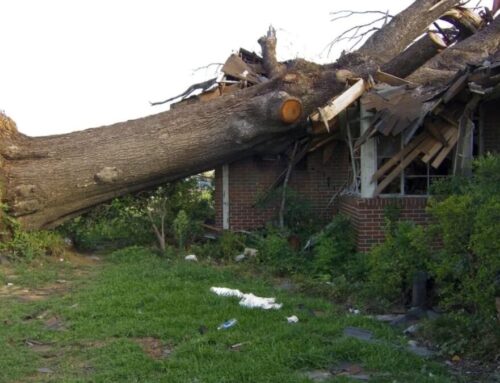
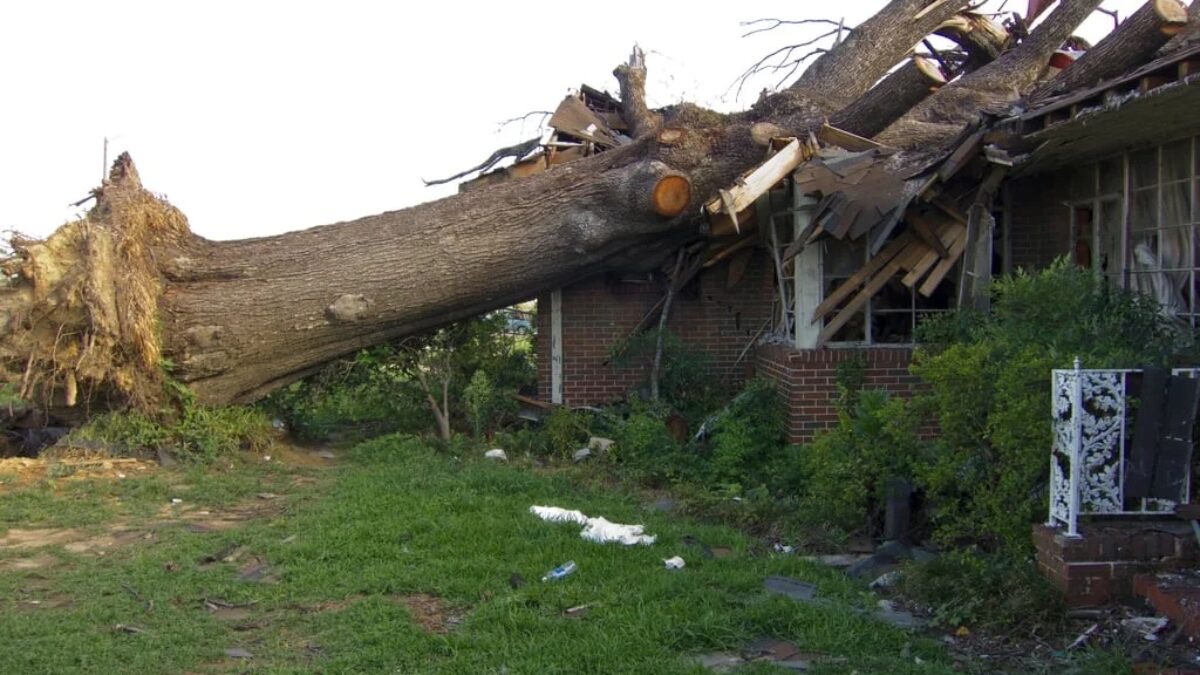
- Prevents Costly Future Issues – Regular trimming reduces the risk of falling branches or storm damage, saving homeowners thousands in repairs.
- Enhances Energy Efficiency – Properly trimmed trees provide shade in the summer and allow more sunlight in the winter, reducing heating and cooling costs.
B. The Selling Advantage: Attracting Buyers with Landscaping
If you’re planning to sell your home, tree trimming can make or break a buyer’s first impression. A cluttered yard with overgrown trees may signal deferred maintenance, making buyers hesitant.
Conversely, a well-maintained landscape suggests pride in homeownership, making your property stand out in competitive markets. A neatly trimmed yard can justify a higher asking price and speed up the selling process.
Additional selling benefits include:
- Enhancing curb appeal in listing photos – Online listings with visually appealing landscaping receive more clicks and inquiries.
- Drawing attention to outdoor living spaces – A well-kept yard makes patios, decks, and gardens more attractive.
- Setting a positive tone before a home showing – Buyers are more likely to perceive the interior as well-maintained if the exterior looks pristine.
3. How Strategic Tree Trimming Shapes Your Yard
A. Key Trimming Techniques for Maximum Curb Appeal
Tree trimming isn’t just about cutting branches—it’s about shaping a landscape that enhances your home. Different trimming techniques serve different purposes:
- Crown Thinning – Selectively removes branches to reduce density, allowing more sunlight and airflow.
- Canopy Raising – Trims lower branches to open up the view of your home and yard.
- Shaping & Contouring – Provides balanced, natural symmetry for an aesthetically pleasing look.
- Directional Pruning – Encourages trees to grow away from structures and power lines, reducing future risks.
B. The Difference Between Overgrown vs. Well-Trimmed Trees
When left unchecked, overgrown trees can:
❌ Block sunlight from reaching your home and garden.
❌ Make a property feel cluttered and closed off.
❌ Obstruct windows, doors, or driveways.
On the other hand, regularly trimmed trees:
✅ Enhance architectural lines.
✅ Create an open, inviting atmosphere.
✅ Highlight landscape and garden features.
By keeping trees well-groomed, they complement rather than overpower your home’s design.
4. Preventing Tree-Related Issues That Harm Curb Appeal
A. Avoiding Common Tree-Related Problems
Unchecked tree growth can lead to numerous issues that negatively impact curb appeal and safety:
- Blocked Walkways & Driveways – Overgrown branches create obstacles for guests and vehicles.
- Damaged Roofs & Gutters – Low-hanging branches can scrape and damage roofing materials, leading to costly repairs.
- Power Line Hazards – Trees too close to power lines increase the risk of outages and fire hazards.
- Pest & Disease Risks – Overgrowth can harbor pests and tree diseases, spreading to other plants.
B. Why Regular Maintenance Is Key
Routine trimming removes weak, damaged, or diseased branches before they become dangerous. This not only protects your home and family but also preserves the long-term beauty of your yard.
- Prevents expensive emergency tree removals
- Reduces seasonal debris buildup
- Ensures healthy tree growth
5. Why Professional Tree Trimming Delivers the Best Results
A. Benefits of Hiring a Professional Arborist
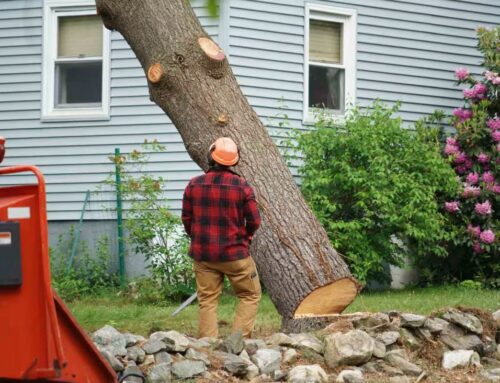
While some homeowners attempt DIY trimming, improper cuts can lead to:
❌ Permanent damage to the tree’s structure.
❌ Increased susceptibility to disease.
❌ Unnatural, unattractive growth patterns.
Professional arborists ensure:
🌿 Expert Precision – Trees are shaped for both aesthetics and health.
🌿 Safe Removal of Hazardous Branches – Reducing risks to people and property.
🌿 Custom Trimming Plans – Tailored based on tree species, yard layout, and design goals.
B. When to Schedule Tree Trimming for Maximum Impact
Timing is crucial when it comes to tree trimming. The best times include:
📅 Late Winter to Early Spring – Ideal for most tree species before active growth.
📅 After Storm Season – Removes broken or weakened branches.
📅 Before Listing a Home for Sale – Enhances curb appeal to attract buyers.
A professional trimming service guarantees clean, even cuts, reducing the risk of regrowth issues and minimizing long-term maintenance costs.
Tree trimming is one of the simplest and most effective ways to elevate your home’s curb appeal. Well-shaped trees frame your home, improve landscaping aesthetics, and boost property value.
Beyond looks, trimming:
✅ Prevents costly damage from overgrown branches.
✅ Enhances natural lighting for your home and garden.
✅ Sends a message of care and attention to detail to visitors and potential buyers.
For best results, consult a professional tree trimming service to develop a customized plan that highlights your home’s beauty while maintaining tree health. Whether you’re preparing to sell or simply want to improve your yard’s appearance, regular tree trimming makes all the difference.