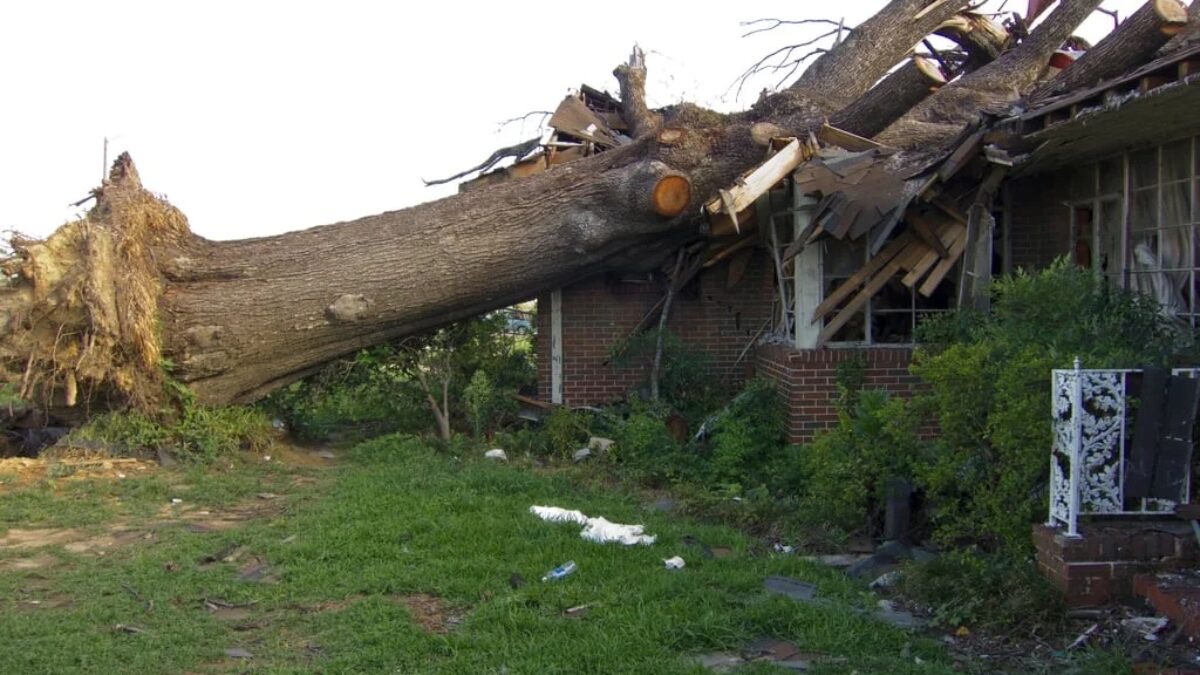

The harsh desert environment of Southern Nevada presents unique challenges for trees. While many species are adapted to arid conditions, disease and pest infestations remain serious threats. Trees can succumb to fungal infections, bacterial diseases, and insect-related damage, often showing subtle warning signs before the problem becomes severe.
Understanding tree disease prevention is crucial for maintaining healthy landscapes. Whether you have native desert trees or ornamental varieties, knowing how to identify, treat, and prevent common tree diseases can help protect your investment and the local ecosystem.
Recognizing the Early Signs of Tree Diseases
Trees rarely decline overnight. Instead, disease progression is gradual, with telltale signs that may be easy to overlook. Spotting these symptoms early is critical for effective treatment and recovery.
Key Symptoms of Tree Disease:
✅ Leaf Discoloration – Yellow, brown, or spotted leaves often indicate fungal or bacterial infections.
✅ Wilting or Premature Leaf Drop – Sudden defoliation, even during healthy growing seasons, suggests stress or disease.
✅ Bark Abnormalities – Cracks, peeling, or dark, oozing lesions can signal internal decay.
✅ Fungal Growths – The presence of mushrooms, conks, or powdery mildew may indicate root rot or fungal infections.
✅ Pest Damage – Small boreholes in the trunk, sawdust-like residue, or sticky honeydew secretion suggest an infestation.
✅ Branch Dieback – Progressive loss of branches, starting at the tips, is a sign of systemic disease or root issues.
If your trees exhibit any of these warning signs, prompt action is necessary. Ignoring early symptoms can lead to irreversible damage, tree loss, and the spread of disease to nearby vegetation.
Common Tree Diseases in Southern Nevada
Southern Nevada’s climate influences the types of diseases that affect trees. The combination of high temperatures, low humidity, and seasonal monsoons creates conditions for fungal infections, bacterial diseases, and pest-related tree decline.
1. Anthracnose (Fungal Leaf Blight)
Characteristics:
- Dark, irregular spots on leaves.
- Twisted or curled foliage.
- Premature leaf drop, often in early spring.
Prevention & Treatment:
- Prune affected branches to limit spread.
- Improve air circulation by thinning tree canopies.
- Apply a preventive fungicide in early spring if the disease persists.
2. Root Rot (Phytophthora spp.)
Characteristics:
- Yellowing, drooping leaves.
- Dark, mushy roots with a foul smell.
- Declining health despite regular watering.
Prevention & Treatment:
- Avoid overwatering—excess moisture promotes fungal infections.
- Improve soil drainage to prevent standing water.
- Remove infected trees to protect nearby healthy vegetation.
3. Sooty Mold
Characteristics:
- Black, powdery substance covering leaves and branches.
- Sticky residue (honeydew) from sap-feeding insects like aphids.
- Weak, stunted growth due to reduced photosynthesis.
Prevention & Treatment:
- Address underlying pest problems (aphids, scale, whiteflies).
- Wash off mold using a gentle soap-water solution.
- Introduce beneficial predatory insects to control pests naturally.
4. Bacterial Wetwood (Slime Flux)
Characteristics:
- Oozing, foul-smelling sap from wounds or bark cracks.
- Dark, streaky stains on trunks.
- Wilting or sudden dieback of branches.
Prevention & Treatment:
- Avoid unnecessary trunk wounds (from improper pruning or mechanical damage).
- Maintain proper irrigation and nutrition.
- Let the tree naturally seal wounds rather than applying artificial sealants.
5. Thousand Cankers Disease (Affects Black Walnut Trees)
Characteristics:
- Sunken, dark cankers on bark.
- Wilted, yellowing leaves.
- Progressive dieback of branches.
Prevention & Treatment:
- Remove and destroy infected trees to prevent spreading.
- Ensure walnut trees receive sufficient irrigation and pruning.
- Manage walnut twig beetle populations, which transmit the disease.
Best Practices for Tree Disease Prevention
Preventing tree diseases requires a proactive approach, focusing on soil health, watering practices, pruning, and pest management. Here are the top strategies for ensuring tree longevity in Southern Nevada.
1. Prune Trees Correctly and Regularly
Proper pruning removes diseased branches, improves airflow, and reduces fungal infections. Follow these best practices:
✅ Use sharp, sterilized tools to prevent cross-contamination.
✅ Trim during late winter or early spring to minimize stress.
✅ Avoid over-pruning, which weakens the tree and makes it vulnerable to disease.
For larger trees or high-risk cases, hiring a professional tree trimming service ensures safety and effectiveness.
2. Maintain Healthy Soil and Roots
Tree health begins underground. Poor soil conditions can stress trees, making them more susceptible to disease.
✅ Use well-draining soil to prevent root rot.
✅ Apply organic mulch to retain moisture and regulate temperature.
✅ Aerate compacted soil annually to improve oxygen flow to roots.
3. Water Smartly and Efficiently
Many tree diseases stem from overwatering or underwatering. To maintain balance:
✅ Use drip irrigation instead of sprinklers to avoid excess moisture.
✅ Water deeply but infrequently to encourage strong root growth.
✅ Water in the morning or evening to reduce evaporation loss.
4. Control Pests Before They Spread Disease
Insect infestations can introduce harmful pathogens that lead to disease. Preventative measures include:
✅ Releasing beneficial insects (ladybugs, lacewings) to control pests naturally.
✅ Using horticultural oils to suffocate harmful bugs.
✅ Applying systemic insecticides if infestations become severe.
Early pest management can prevent many of the fungal infections and bacterial diseases that plague Southern Nevada trees.
5. Schedule Annual Tree Health Inspections
Professional tree health assessments help identify early disease symptoms before they escalate. Certified arborists can:
✅ Diagnose tree diseases with precision.
✅ Recommend safe and effective treatment plans.
✅ Provide guidance on long-term tree care strategies.
Henderson Tree Service offers comprehensive tree inspections, ensuring that minor issues are addressed before they become costly problems.
Why Professional Tree Services Matter
DIY tree care is effective for basic maintenance, but serious infections and diseases require professional expertise. Misidentifying a disease can lead to improper treatment, further damaging the tree or allowing infections to spread.
Benefits of Professional Tree Care:
🌿 Accurate diagnosis – Distinguishing between similar-looking diseases.
🌿 Safe treatment applications – Avoiding harmful overuse of pesticides or fungicides.
🌿 Tree removal when necessary – Preventing the spread of incurable infections.
Safeguard Your Trees with Proactive Care
Trees are vital to Southern Nevada’s ecosystem, providing shade, improving air quality, and enhancing property value. Without proper disease prevention and early intervention, even the most resilient trees can suffer.
By implementing correct pruning methods, soil maintenance, pest control, and expert monitoring, homeowners can prolong tree life and maintain a thriving landscape.
If you suspect tree disease in your yard, don’t wait—seek professional assistance.
For expert tree disease prevention and treatment in Henderson, NV, contact Henderson Tree Service today. Schedule a consultation and protect your trees for years to come.