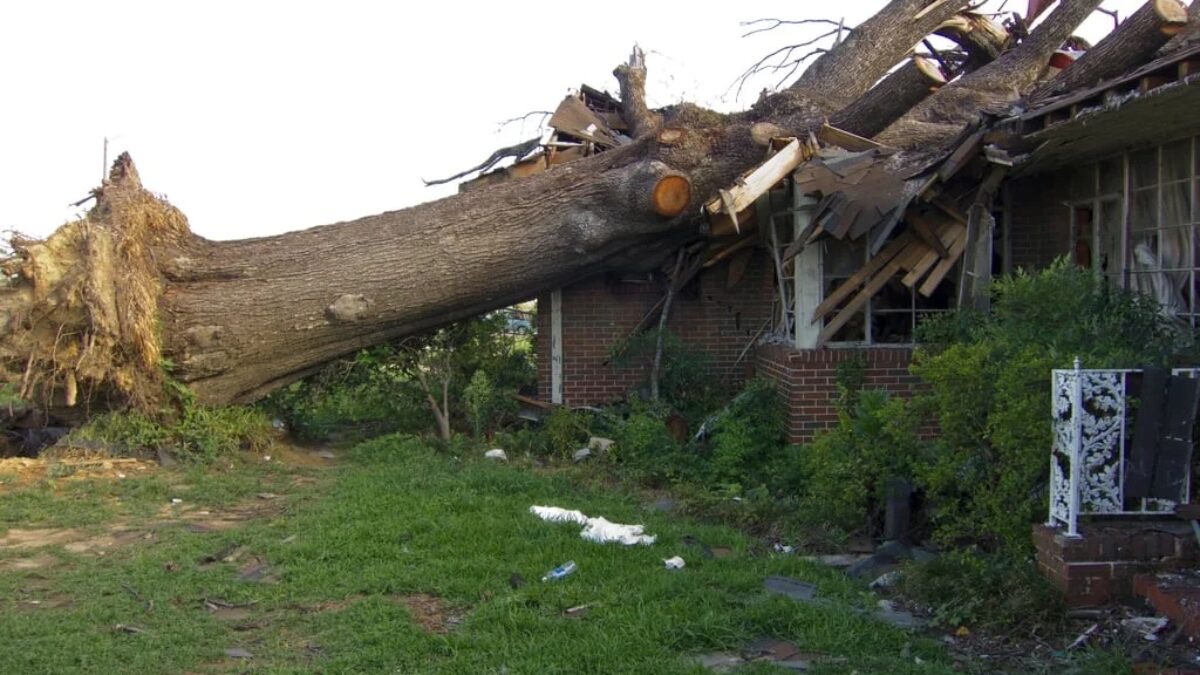

Henderson, NV, is known for its warm desert climate, making tree care a unique challenge for homeowners. Trees provide shade, beauty, and environmental benefits, but without proper maintenance, they can become susceptible to disease, dehydration, and structural issues. Whether you have towering mesquites, lush desert willows, or ornamental fruit trees, understanding how to care for them ensures their longevity and resilience.
By implementing the right Henderson tree care techniques, homeowners can protect their investment while keeping their landscapes green and vibrant. Here are 10 essential tree care tips tailored to the unique conditions of Henderson, NV.
1. Choose the Right Trees for Henderson’s Climate
The arid environment of Henderson demands careful tree selection. Choosing species that are well-adapted to hot, dry conditions ensures long-term growth with minimal water dependency.
Best Trees for Henderson’s Climate:
- Palo Verde (Parkinsonia species) – Recognized for its striking yellow blooms and drought tolerance.
- Desert Willow (Chilopsis linearis) – Thrives in sandy soils and produces beautiful pinkish flowers.
- Honey Mesquite (Prosopis glandulosa) – A resilient, fast-growing tree with a deep root system.
- Chinese Pistache (Pistacia chinensis) – Offers vibrant fall colors while withstanding heat.
- Texas Mountain Laurel (Sophora secundiflora) – Features fragrant purple blooms and requires minimal maintenance.
Why Climate-Appropriate Trees Matter
Planting non-native trees can lead to excessive water consumption, weak root systems, and vulnerability to disease. If you’re unsure which trees to plant, consulting a professional tree service in Henderson can provide expert guidance.
2. Establish a Proper Watering Schedule
In desert climates like Henderson, overwatering and underwatering are both common mistakes. Many homeowners assume frequent, shallow watering is beneficial, but this can actually weaken trees by encouraging shallow root growth. Instead, follow these best practices:
Proper Watering Techniques:
- Young trees (0-3 years old) – Water every 7–10 days with a deep soak.
- Mature trees (3+ years old) – Water every 2–3 weeks, ensuring water reaches at least 12–18 inches deep into the soil.
- Best watering time – Early morning or late evening to reduce evaporation.
Using soaker hoses or drip irrigation systems helps retain moisture efficiently while preventing waste. Avoid watering near the trunk; instead, focus on the drip line (where the outer canopy extends) to encourage deep root development.
3. Apply Mulch to Retain Moisture and Improve Soil Health
Mulching is an often-overlooked arborist tip that can significantly improve tree health. A proper layer of organic mulch conserves moisture, reduces temperature fluctuations, and suppresses weeds.
Mulching Best Practices:
- Use organic mulch – Wood chips, bark, or shredded leaves work best.
- Apply 2–4 inches of mulch around the tree base.
- Leave space around the trunk – Avoid piling mulch directly against the bark to prevent rot.
Mulching is especially crucial for young trees, helping insulate roots and providing essential nutrients as it decomposes.
4. Schedule Regular Tree Trimming for Structural Integrity
Tree trimming is not just about aesthetics—it promotes healthier growth, removes weak branches, and reduces the risk of storm damage. Improper or neglected trimming can result in weak limb attachments, decay, or overgrowth that threatens nearby structures.
Benefits of Professional Tree Trimming:
- Encourages proper growth patterns – Prevents trees from becoming top-heavy.
- Reduces risk of breakage – Especially important for mature trees.
- Increases sunlight penetration – Supports healthy foliage development.
Tree trimming should be done at least once a year, preferably in late winter or early spring when trees are dormant and less stressed. If you’re unsure how to prune your trees correctly, Henderson Tree Service offers expert tree trimming to maintain structural integrity.
5. Monitor and Protect Against Common Tree Pests
Henderson’s dry conditions can attract pests that weaken trees, leaving them susceptible to disease. Some of the most problematic pests in the area include:
Common Tree Pests in Henderson:
- Aphids – Small insects that secrete a sticky honeydew, leading to mold growth.
- Borers – Insects that tunnel through bark, causing significant structural damage.
- Spider Mites – Tiny pests that create webbing on leaves and cause discoloration.
Prevention and Treatment:
- Regularly inspect leaves and bark for signs of infestation.
- Use horticultural oils or insecticidal soaps to treat mild cases.
- Consult a tree care specialist for severe infestations requiring professional treatment.
6. Identify and Treat Tree Diseases Early
Tree diseases can spread quickly if left untreated, often leading to irreversible damage. Signs of disease to watch for include:
- Discolored or spotted leaves
- Fungal growth on bark or roots
- Sudden leaf drop or wilting
Common Henderson tree diseases include sooty mold, root rot, and bacterial canker. Removing infected branches, improving drainage, and applying fungicides can help prevent further spread.
7. Support Young Trees with Proper Staking
Strong winds are common in Henderson, making tree staking necessary for newly planted trees. However, improper staking can do more harm than good.
Staking Guidelines:
- Use flexible ties – Allow for some natural movement to encourage trunk strength.
- Position stakes outside the root ball – Prevents root damage.
- Remove stakes within 12 months – Avoids restricting trunk development.
Proper staking supports young trees until their roots establish firmly in the soil.
8. Avoid Harmful Pruning Practices
While tree pruning is beneficial, incorrect techniques can damage trees permanently. Tree topping—the excessive removal of upper branches—is particularly harmful, leading to:
- Weakened branch structure
- Sun damage to exposed limbs
- Increased susceptibility to pests and disease
Instead, use methods like crown thinning and selective pruning to maintain the tree’s natural shape. If in doubt, hiring a certified arborist ensures trees are pruned correctly.
9. Prepare for Extreme Weather Conditions
Henderson experiences high temperatures, strong winds, and occasional storms. Preparing trees before severe weather minimizes potential damage.
Pre-Storm Tree Maintenance:
- Inspect for weak or damaged limbs – Trim as needed.
- Ensure trees have deep root systems – Encourages stability.
- Use structural supports – Helpful for trees in high-risk areas.
Prevention is key to avoiding costly removals or property damage due to fallen branches.
10. Consult a Professional Tree Service for Expert Care
While DIY tree care is possible, some issues require professional expertise. A certified arborist can:
- Diagnose and treat tree diseases early.
- Safely remove hazardous trees or limbs.
- Provide long-term tree health strategies.
Henderson Tree Service specializes in professional tree trimming, disease prevention, and pest control to help homeowners maintain a beautiful and safe landscape.
Preserve Your Trees with Expert Henderson Tree Care
Trees are an integral part of any landscape, offering beauty, shade, and environmental benefits. By following these 10 essential tree care tips, homeowners in Henderson can ensure their trees remain healthy and resilient year-round.
For professional tree services in Henderson, NV, trust the expertise of Henderson Tree Service. Contact us today for an assessment and personalized care for your trees!